
.png)


Web3 Hub Davos 2026: Shaping the Future of Web3, AI, and Global Capital
Every January, Davos becomes a global meeting point. Ideas converge. Capital listens. Agendas are shaped.
Over four days, the Web3 Hub Davos 2026 brought together investors, founders, policymakers, and institutions to examine how Web3, AI, and digital assets are actively reshaping global systems. Not in theory. In practice. Hosted during the World Economic Forum week, and curated by CV Labs and CV VC, the Hub once again served as a platform for dialogue, perspective, and long-term thinking - well beyond headlines and hype cycles.
If you were there, you felt the momentum in the room. Here are our key takeaways from across the week.
Digital Assets Move from Concept to Infrastructure
The week opened with a clear signal: digital assets are no longer peripheral. They are now part of financial and monetary infrastructure.
The opening morning focused on how money, payments, and capital markets are being re-engineered through tokenization, compliant digital currencies, stablecoins, and institutional-grade infrastructure. Sessions examined regulatory implementation, portfolio strategy, and the growing maturity of digital asset markets across jurisdictions.
Within the institutional realm, PostFinance’s Kay Wäfler expressed a sense of enthusiasm when looking toward the future.
During the panel, Kay highlighted that more traditional institutions and players are gearing up for the technological revolution of blockchain and digital assets, stating that “I’m starting to get questions from institutions that two years ago probably wouldn’t have talked about crypto. And now they’re starting to do so, because they’re starting to feel that it is too strategically relevant to actually talk about it.”
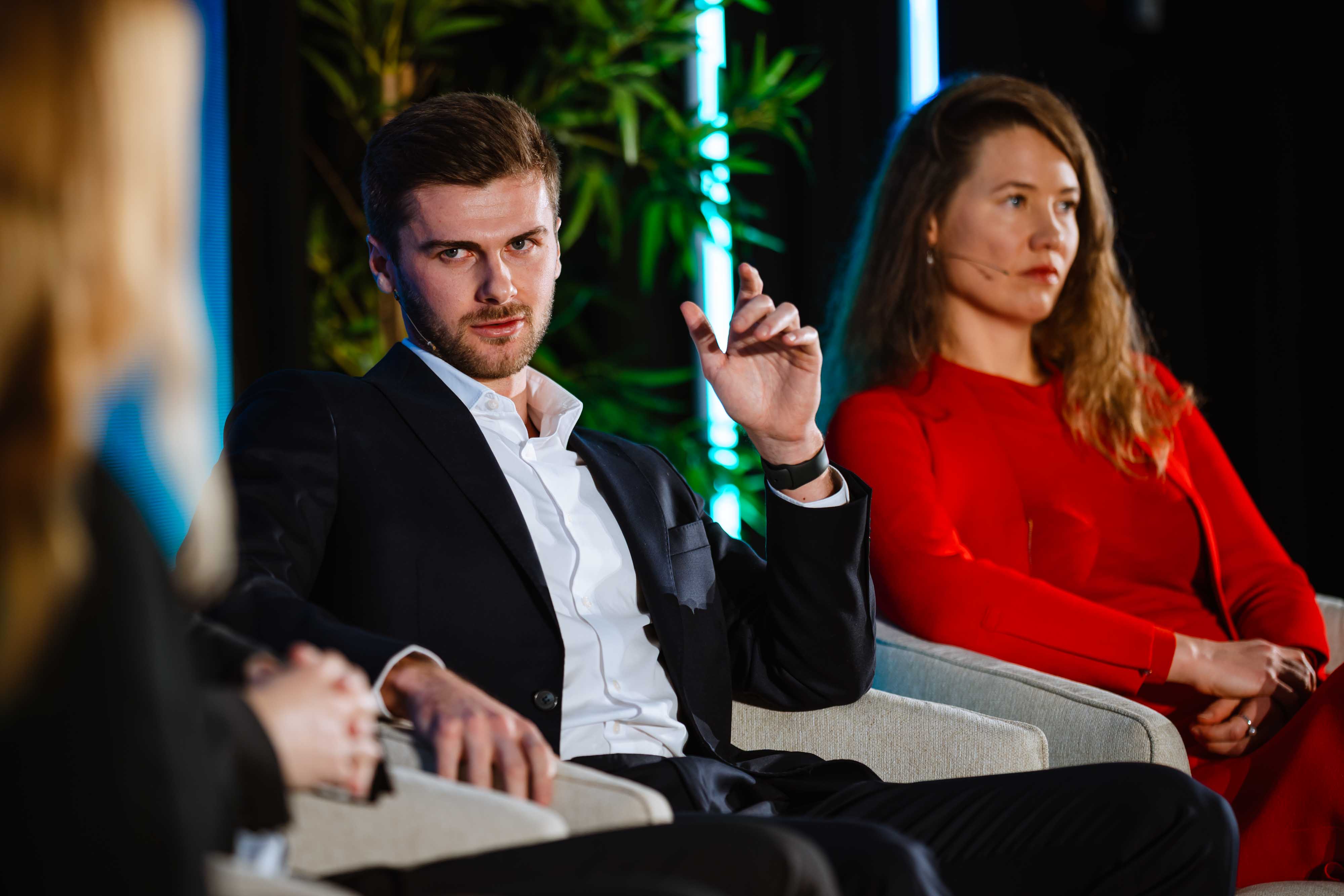
That momentum, however, comes with real operational and organizational challenges. As Anya Nova noted, “The biggest hurdle is that institutions underestimate the complexity and the coordination required, while they have to maintain traditional systems, and make them work with on-chain systems. There is still a lot of thinking and people to get on board.”
Her remarks underscored a recurring theme throughout the week: institutional adoption is no longer about conviction alone, but about execution, alignment, and change management at scale.
.jpg)
Conversations featured perspectives from financial institutions, infrastructure providers, and policymakers, including speakers from Zondacrypto, PostFinance, Zürcher Kantonalbank, Stellar Development Foundation, and leading legal and compliance firms.
The takeaway was consistent. Frontier technology and digital asset adoption are advancing - but only where regulation, infrastructure, and market design align.
Dubai Sovereign Launchpad: Web3 Policy and Cross-Border Finance
In the afternoon of day one, the focus shifted from markets to jurisdictions. Hosted by the Dubai Multi Commodities Centre (DMCC), the session explored Dubai’s role as a global centre for digital assets and how its government and economic zones are approaching Web3 through policy, licensing frameworks, and international coordination.
To kick start the session, DMCC’s executive chairman Ahmed Bin Sulayem sat down with CV VC’s Founder & CEO Mathias Ruch for a fireside chat exploring how DMCC has supported the UAE’s ambition to drive the digital asset space on a global scale.
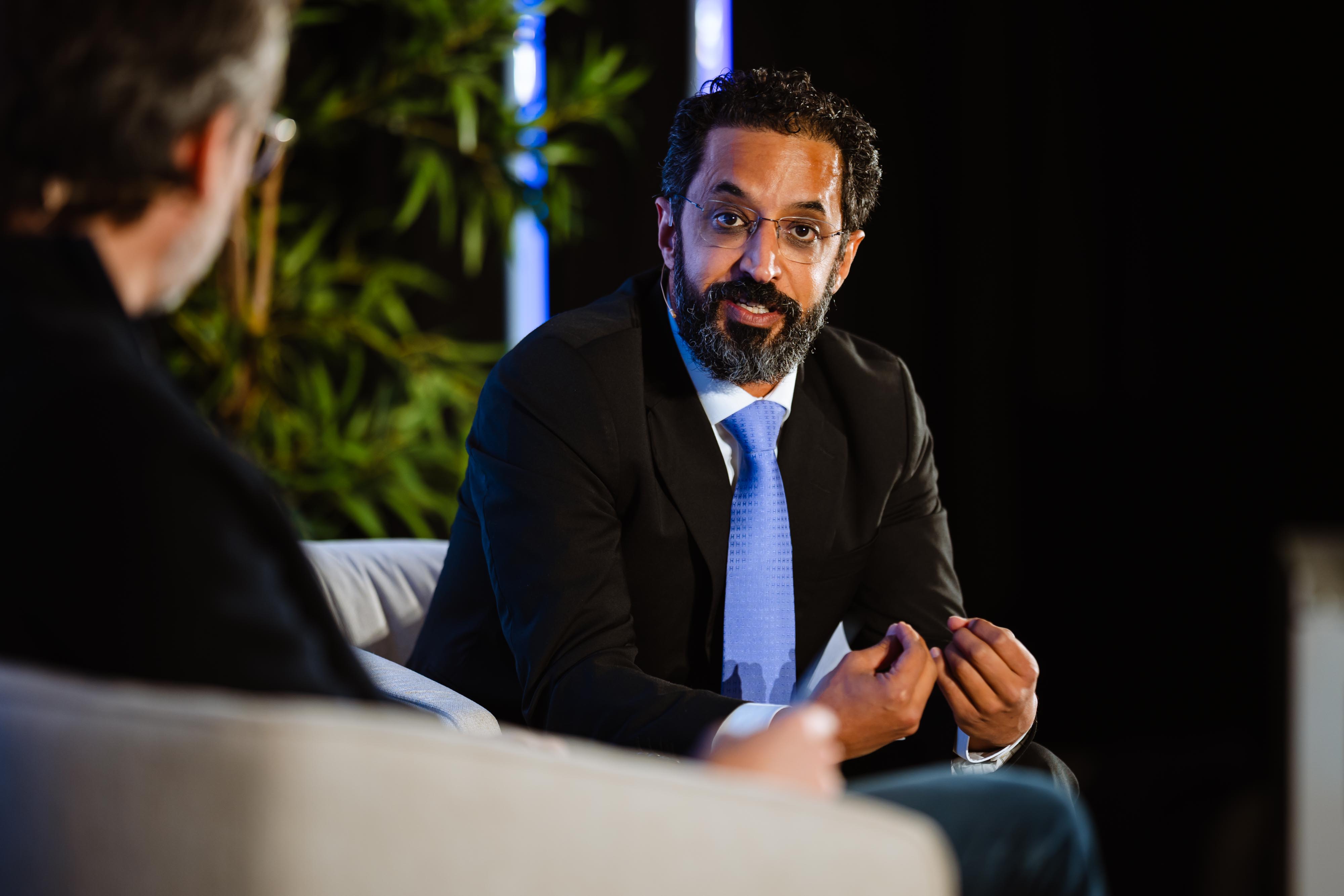
Ahmed Bin Sulayem identified that blockchain technologies are impacting lives on a global scale, but questioned its relevance to all generations. Expectations for the younger & future generations were high, as Bin Sulayem believes that “the younger generation will adopt processes that have less friction, crypto and beyond. The traditional and conventional ways will fade out. Whether that's in 5 years or 15 years, it's anyone's guess.”
Discussions centered on balancing innovation with oversight, attracting entrepreneurs and capital, and positioning digital assets within global trade and finance. The presence of public-sector leadership alongside ecosystem builders underscored a growing reality: Web3 policy is now an economic strategy.
The session underpinned that the next phase of global growth will be driven by connected ecosystems, not isolated platforms, and by places that know how to operationalize innovation at scale.
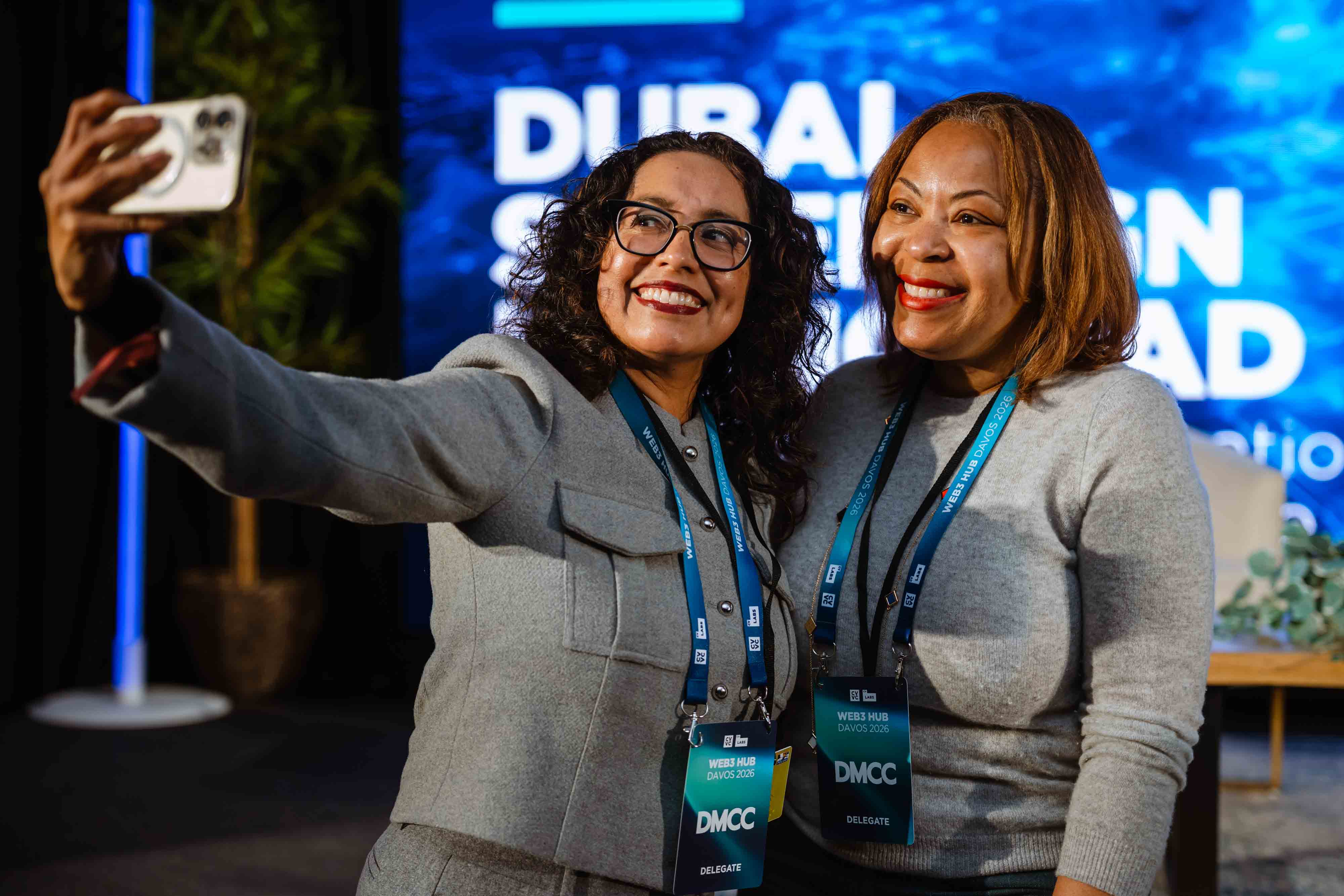
Investment & Wealth Hub: Capital in Transition
As the day progressed, attention turned to capital itself. The Investment & Wealth Hub, hosted by CV VC and CV Labs, explored how venture capital, family offices, and private wealth are adapting to volatility, long-term cycles, and the emergence of new asset classes. Panels examined allocation strategies, institutional yield, and how investors are navigating uncertainty without stepping back from innovation.
One recurring theme was the need for clearer differentiation as the digital asset space continues to mature. Despite growing adoption, misconceptions remain. As Jarryd Kennedy pointed out, “The thing that we see that is still prevalent is people confuse crypto and blockchain. For us blockchain is the underlying technology stack that you can utilize for various applications. Crypto was just the first application of the technology. It’s very important for us as an investor to differentiate between those things.” His remarks reflected a broader shift in investor thinking, moving beyond labels and toward fundamentals, infrastructure, and long-term utility.
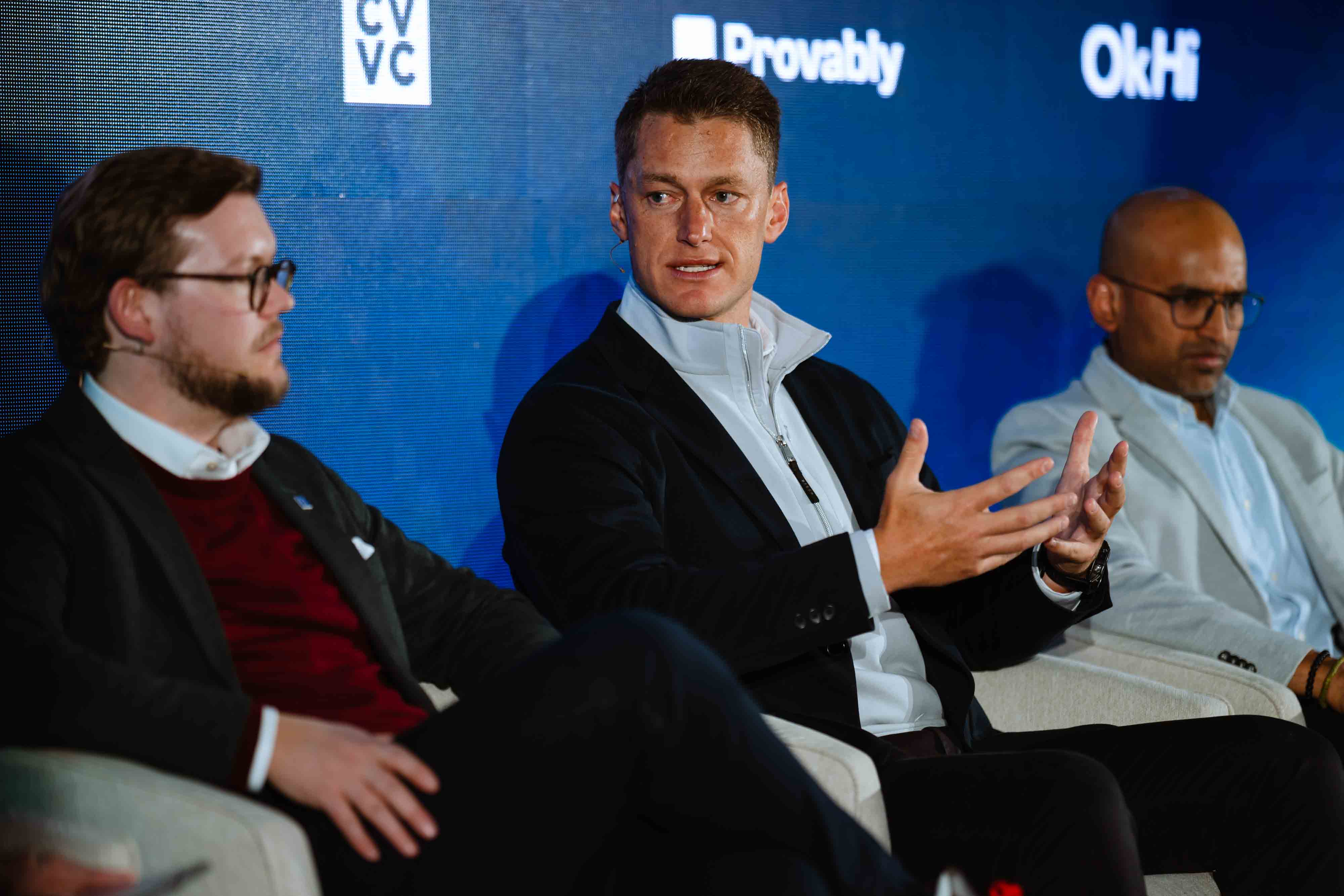
The discussion then turned to capital formation and how founders and investors are approaching equity and tokens as complementary, rather than competing, mechanisms.
Shyam Duraiswami, Founder & CEO of Provably, shared his experience as a founder, highlighting that “right now we're in this equity first phase, and once you get adoption, once you get distribution, the token is kind of a sweetener that comes later… But now you actually have to build real infrastructure, real business, and then you have multiple exit opportunities later.”
.jpg)
CV VC’s Lukas Etter shared the perspective of a blockchain-focused VC, emphasizing that the choice between equity and tokens ultimately comes down to where value is captured.
“The question is always where is the actual value capture taking place. Is it a network economy, where it’s a decentralized business model, or is it a centralized value capture. Thereby you should decide whether you invest in equity or in the token.” His comments underscored a more nuanced, design-first approach to investment decisions.
.jpg)
The tone of the session was measured, grounded, and forward-looking. The focus was not on chasing short-term returns, but on positioning capital for the next decade, with clarity, discipline, and an understanding of how financial infrastructure is being reshaped in real time.
Cheers to the CV VC & Animoca Brands VIP Dinner
.jpg)
Day one concluded with an invite-only dinner co-hosted by Animoca Brands and CV VC, which brought together investors, founders, and ecosystem leaders for candid conversations - away from panels and presentations.
Topics ranged from on-chain markets and gaming ecosystems to neuroscience, identity, and the future of digital ownership. Alongside the fascinating topics on stage, guests were treated to a stunning three course meal, as conversations & collaborations ventured deep into the evening.
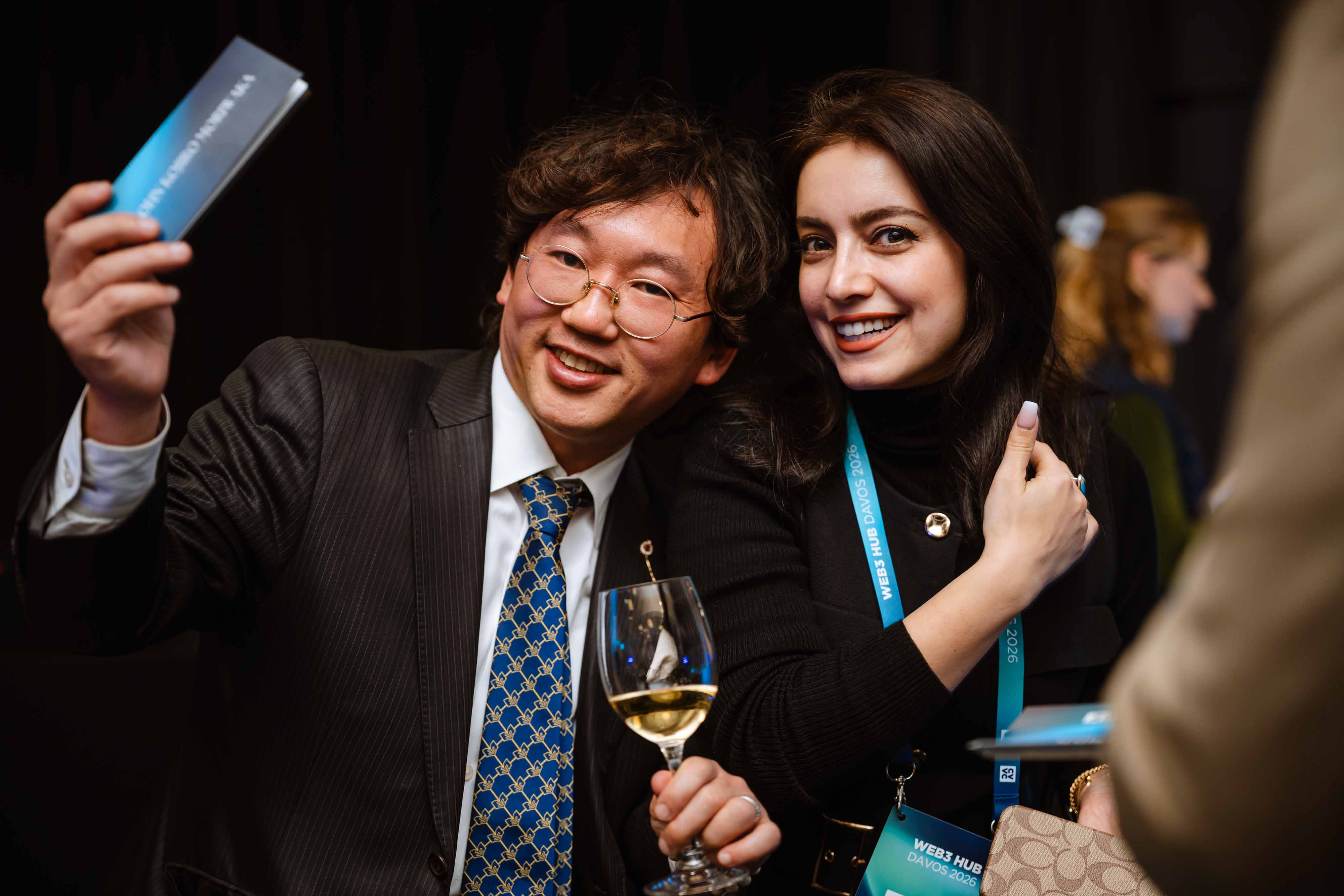
World Computer Day: Finance, Society, and Security
Day two, hosted by the DFINITY Foundation, was dedicated entirely to AI and emerging technologies, framed through the concept of the World Computer - a vision of a global, decentralized network designed to host software and data in a secure and tamper-resistant way.
.jpg)
The morning focused on finance in the age of intelligence and how technology can make money work for everyone.
The afternoon expanded into governance, security, cyber diplomacy, and global influence. Sessions explored how AI is reshaping markets, public policy, national infrastructure, and economic power. The tone was not speculative. It was structural. How do intelligent systems intersect with sovereignty, security, and trust?
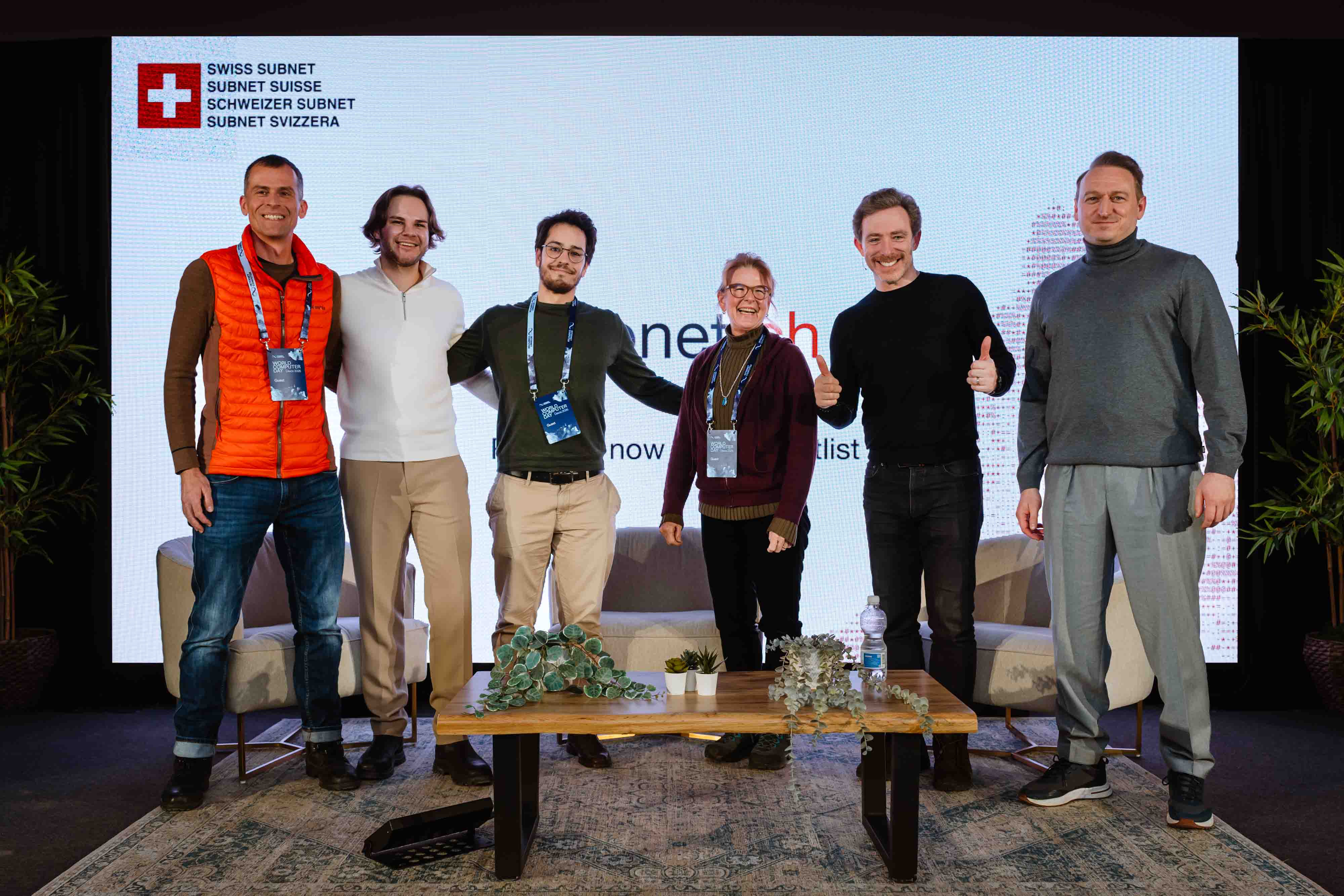
In addition, the DFINITY Foundation’s CEO & Chief Scientist Dominic Williams and Dennis Platzl, CEO of Swiss Subnet, announced the newly launched dedicated ICP subnet, designed for applications that require data residency, regulatory clarity, and high-trust infrastructure.
With AI being an ever present throughout World Computer Day, the caffeine.ai team were ever present at the venue, as two caffeine pods were in place for attendees to test out the creation and maintenance of successful apps and websites, simply by chatting with AI.
The day closed with a networking cocktails session hosted by caffeine.ai, extending conversations & future collaborations into the evening.
Diplomacy, Capital, and Cooperation
On day three, we welcomed Monaco Day Davos to our venue, bringing a different cadence to our Web3 focus. Across morning, afternoon, and evening sessions, global leaders explored cooperation in a conflict-prone world, new sources of growth, responsible innovation, and prosperity within planetary boundaries. The framing was deliberate. Constructive neutrality. Dialogue over division.
.jpg)
Highlight speakers including Anthony Scaramucci, David Rubenstein, Ida Lau, Ben Lamm, and more reflected on how trust is rebuilt, how capital aligns with long-term goals, and how innovation can remain inclusive and impact-driven.
.jpg)
In a packed out venue driven by “The power of constructive neutrality", attendees became part of Monaco's international outreach strategy and its desire to actively contribute to the major economic, strategic, and societal discussions taking place in Davos.
The sessions concluded with an evening networking cocktail - less formal, more reflective. A space to connect across disciplines and geographies. And to continue conversations that started earlier in the day.
.jpg)
AI Breakfast: From Strategy to Application
The fourth and final morning opened with the AI Breakfast, hosted by CV VC and CV Labs.
The session explored how artificial intelligence is moving from experimentation to execution. Discussions spanned strategic AI value creation, infrastructure intelligence, on-chain liquidity, identity and privacy, quantum developments, and sector-specific applications, ranging from financial markets to tourism, wellness, and longevity research.

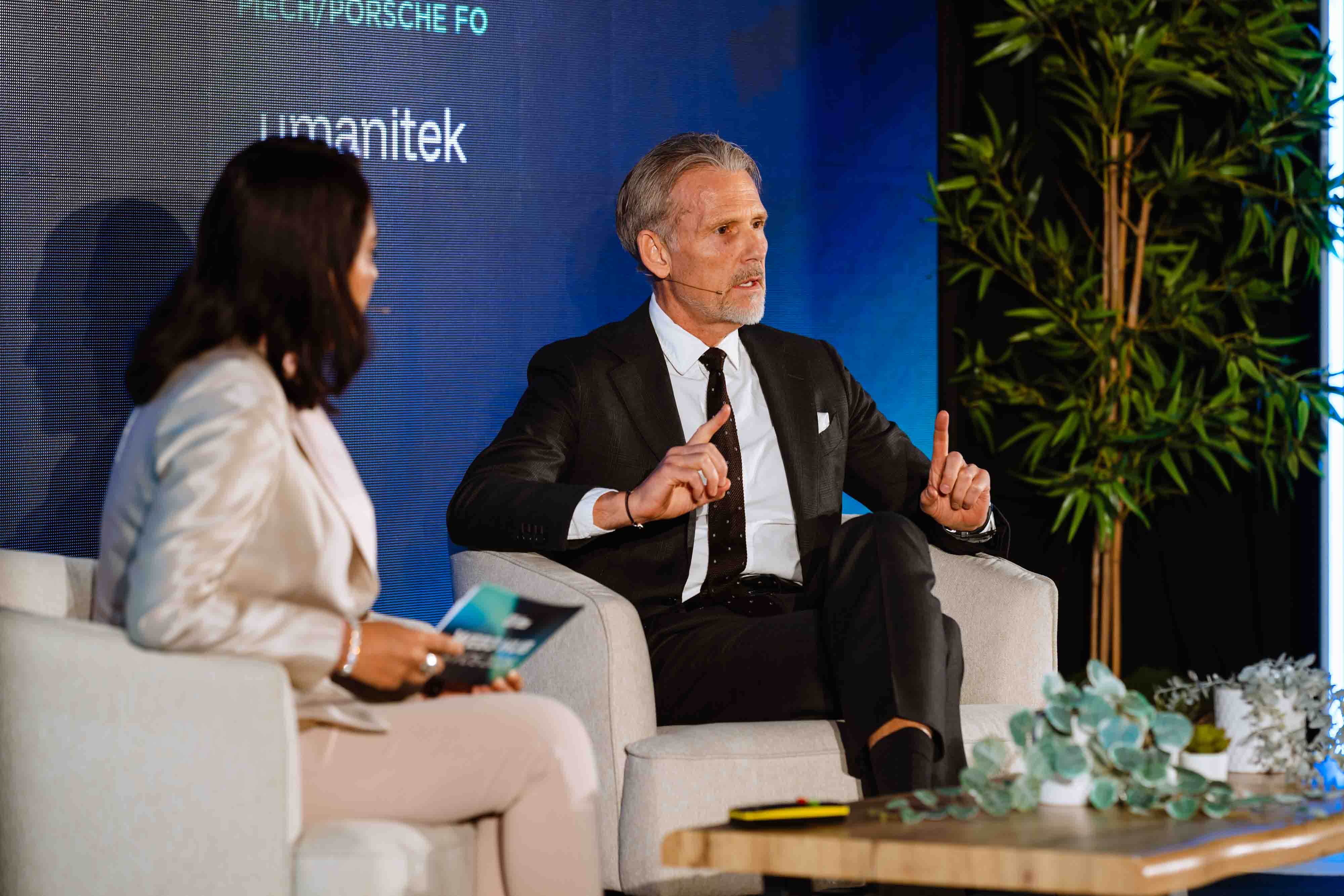
While examining the industry readiness of AI, Cisco Systems’ Dr. Garif Yalak raised concerns about how effectively institutions and companies can translate AI research into real-world implementation. He emphasized that successful adoption requires more than advanced models. Organizations must define a clear strategy for integrating AI into legacy systems, supported by the right culture, talent, and resilient infrastructure.
Referencing a recent study by Cisco Systems, Dr. Yalak highlighted how unprepared many organizations remain, particularly in Switzerland, stating that “more than 80% of the companies are actually not yet ready to implement AI research”.
Attention then shifted to one of the most discussed topics in AI today: AI agents. Michael Casey introduced the concept of proof of control, stressing its importance as agentic systems become more prevalent across industries. As he explained, “Proof of control is going to be absolutely vital for an agentic economy. How do I know that this agent is truly representing me? … (the AI agent should be) 100% representing the person, not some other third party.”
.jpg)
Alongside implementation and infrastructure, the conversation also addressed the broader societal implications of AI acceleration. Chris Rynning offered a sobering perspective on long-term risk, stating, “There's a very significant chance that we can get AI wrong…Listen to the AI researchers that have been working on developing the LLMs we're using, all using today, the Geoffrey Hintons of this world, 50% of them are saying that there's at least a 10% chance that AI will cost the end of humanity.”
His remarks reinforced an important undercurrent of the session: innovation must be matched with governance, oversight, and responsible design.
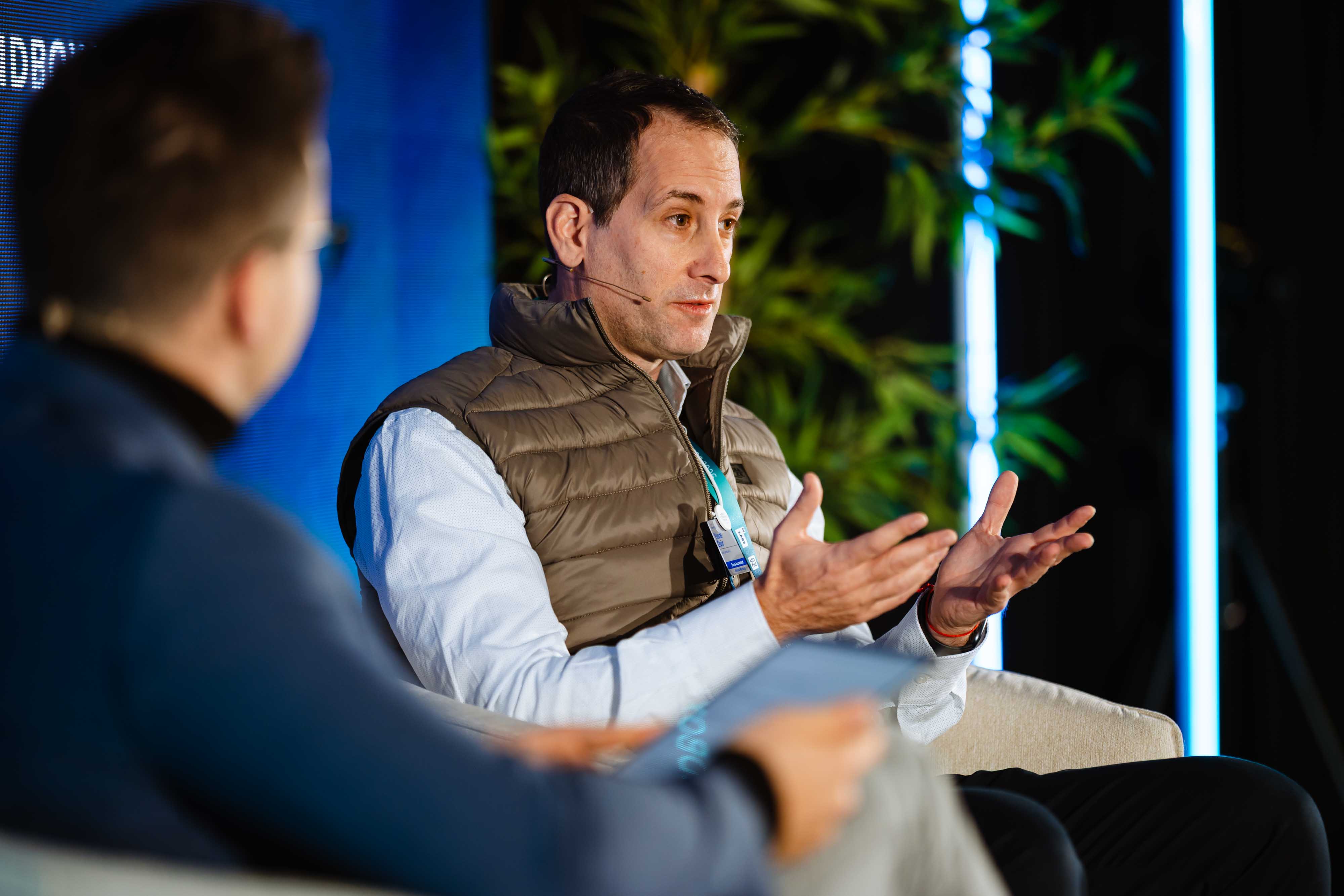
Yet the discussion did not end on a note of caution alone. Yuval Dvir, Senior Advisor at SandboxAQ, emphasized the transformative upside of AI when applied responsibly. As he explained, “The way I see it, AI is basically here to accelerate our discovery and science. It's much better than humans at certain tasks.”
Yuval further highlighted the convergence between AI and quantum technologies, noting, “We put AI to work in order to accelerate the arrival of quantum, and instead of quantum being between five to ten years, it's going to be much sooner than that.”
Throughout the session, founders, researchers, and executives shared perspectives on where AI is already delivering measurable value, and where caution, governance, and thoughtful design remain essential. It was a fitting start to the final day. Focused. Technical. Forward-looking.
Why Web3 Hub Davos Matters
What made Web3 Hub Davos 2026 distinct was not a single announcement or theme. It was continuity. Now in its 8th edition, the hub has become a go to center for leading innovators at Davos. With this edition seven times oversubscribed, the week delivered the time, thought leadership and robust debate that fuels forward industry momentum.
Capital, policy, technology, and infrastructure were discussed together.
Across days. Across formats. Across disciplines. For those who attended, the value was clear.
.jpg)
What’s Next
If you missed Web3 Hub Davos 2026, or if you attended and want to go deeper, the conversation continues. Later this year, CV Summit 2026 returns on September 29-30 at Kongresshaus Zürich, bringing the global Web3 ecosystem together once again at Switzerland’s largest blockchain, AI, and digital asset conference.
Discover more about CV Summit 2026 and prepare for the future of decentralized technologies on our website.

.png)
.png)
.png)
.png)